
PRODUCT KNOWLEDGE · NATURAL VENEER
Common Natural Wood Veneer Thicknesses: A Practical Guide
There is no single veneer thickness for every project. Furniture faces commonly use 0.5–0.6 mm material, alongside thinner decorative or backed wrapping products and thicker veneers for specific machining requirements. Consider species, substrate flatness, bonding, sanding allowance and end use together. The ranges below are purchasing references, not universal mandatory industry standards.
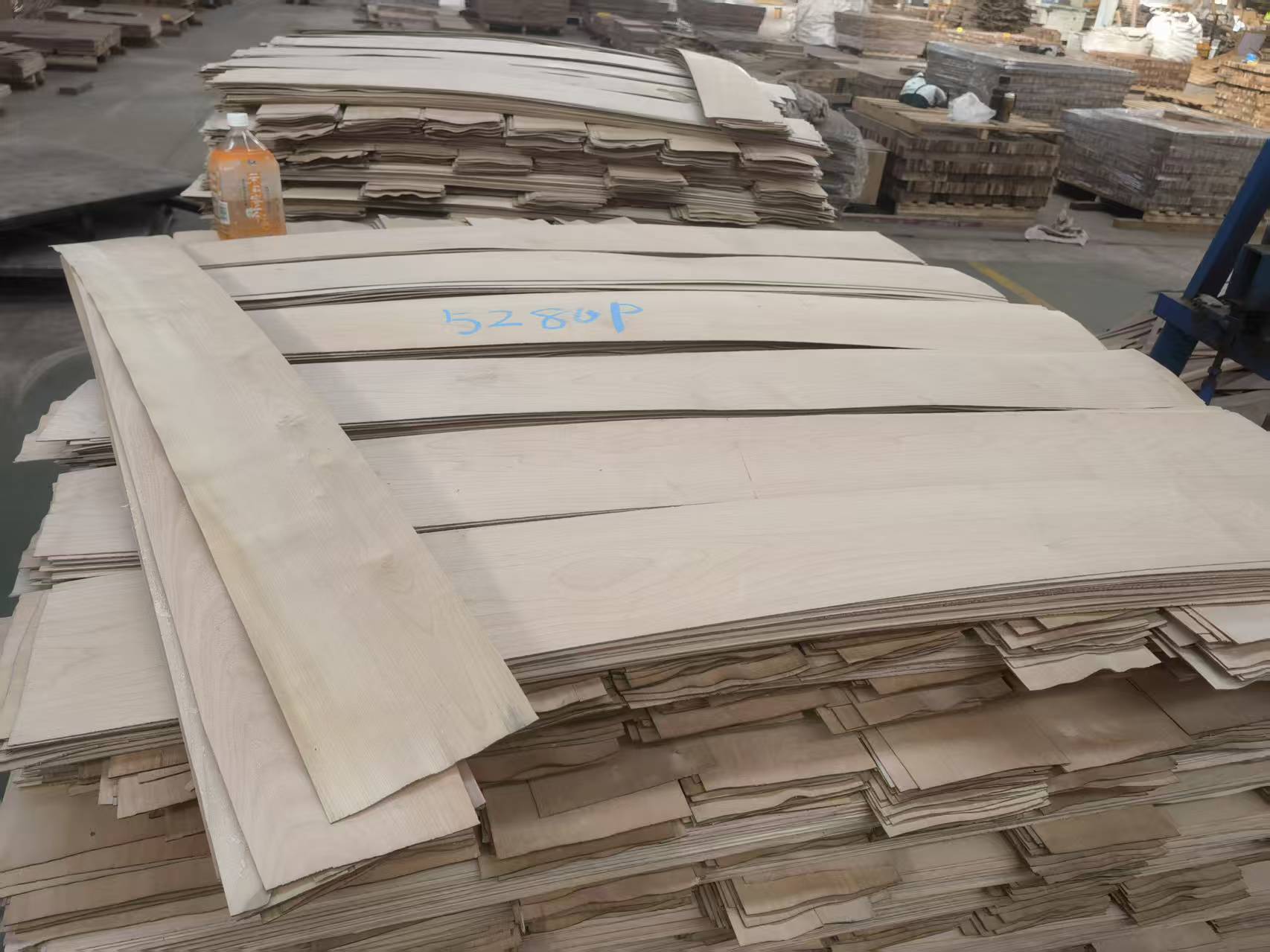
1. Conventional decorative veneer for furniture and interiors
Veneer around 0.5–0.6 mm is commonly used on visible furniture faces, cabinet doors, interior wall panels and door faces, balancing material use and processing allowance. Decorative faces around 0.4–0.5 mm are also available, with greater sensitivity to substrate quality, glue distribution, pressing and sanding. Confirm available sizes and tolerances with the supplier. A closed-pore finish does not replace proper drying, bonding or substrate preparation.
2. Compare common thickness ranges
The table refers to the wood face itself. For paper-backed, fleece-backed or other composite products, confirm total thickness separately, including backing and adhesive. Suitability varies by species and construction.
| Wood face thickness | Typical discussion areas | What to confirm |
|---|---|---|
| 0.5–0.6 mm | Furniture, doors and interior faces | Tolerance, sanding allowance and bonding |
| 0.4–0.5 mm | Economical decorative faces | Substrate flatness and sand-through risk |
| 0.2–0.3 mm | Thin composites and selected curved wraps | Backing and minimum bending radius |
| ≤0.2 mm | Micro-thin composites and specialist wrapping | Wood face vs total thickness; processing guidance |
| 1.0–3.0 mm | Thick faces, edging and specialist texturing | Supply form, bonding and balanced construction |
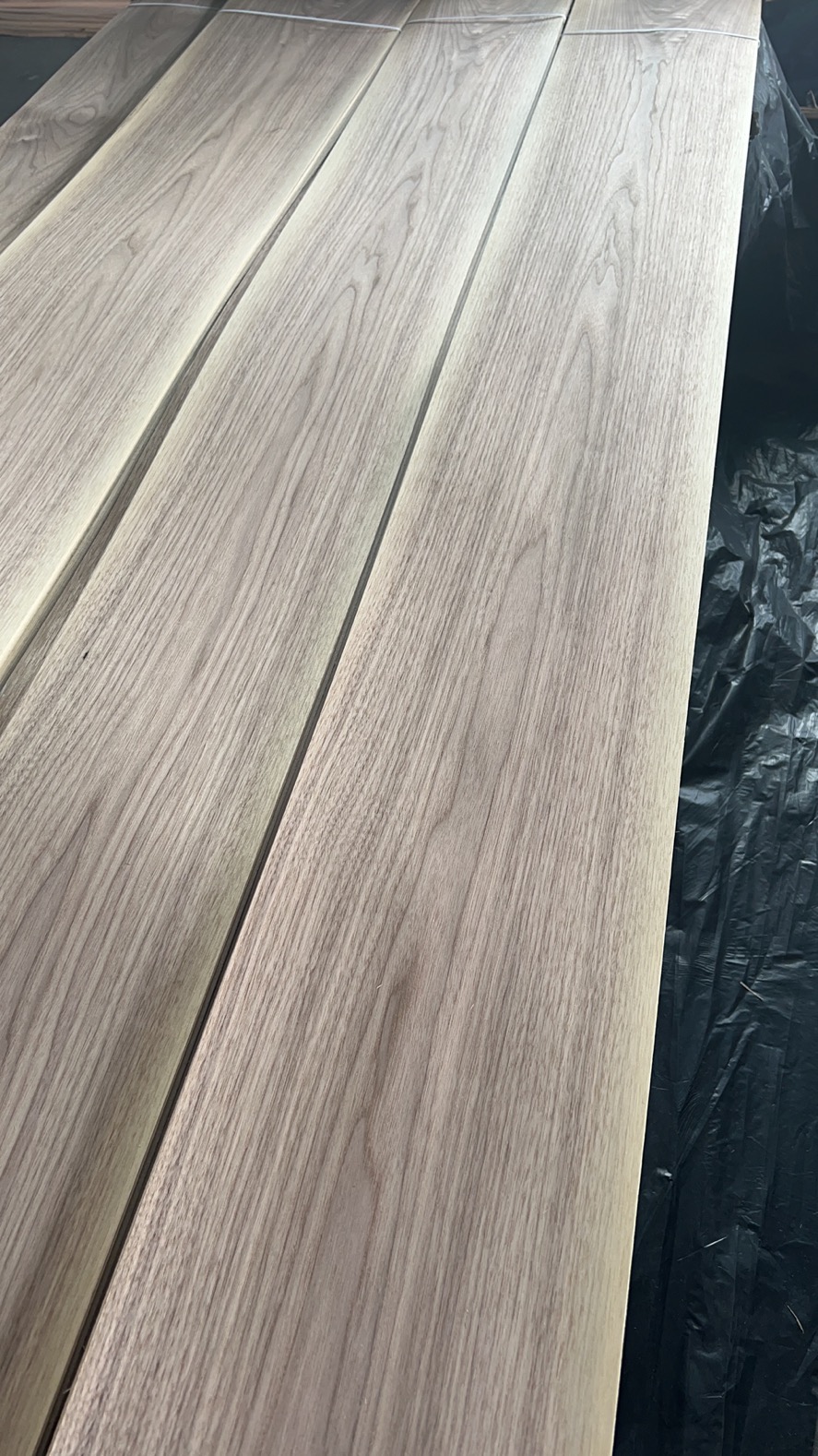
3. Thin and micro-thin veneer: check construction and bendability
Veneers around 0.2–0.3 mm or at or below 0.2 mm may serve specific decorative, laminating or wrapping processes. Paper, fleece or other reinforcement depends on the actual construction; one backing system is not mandatory for all thin veneers. Species, grain direction, bending radius, moisture condition and adhesive also affect formability. Test intricate profiles and tight-radius cylinders before specifying them. Thickness alone cannot establish suitability.
4. Thick veneer: more processing allowance, different requirements
Thicknesses such as 1.0, 1.5 and 2.0 mm can suit selected furniture faces, edging and textured surface treatments. For material approaching 3.0 mm, clarify whether it is sliced, rotary-cut or sawn. Greater thickness can provide additional machining allowance, but does not automatically guarantee wear resistance, crack resistance or dimensional stability. Pressing, bond strength, balanced construction and service conditions remain relevant. If a project specifies at least 0.6 mm, define whether this means nominal thickness before pressing or finished thickness after sanding.
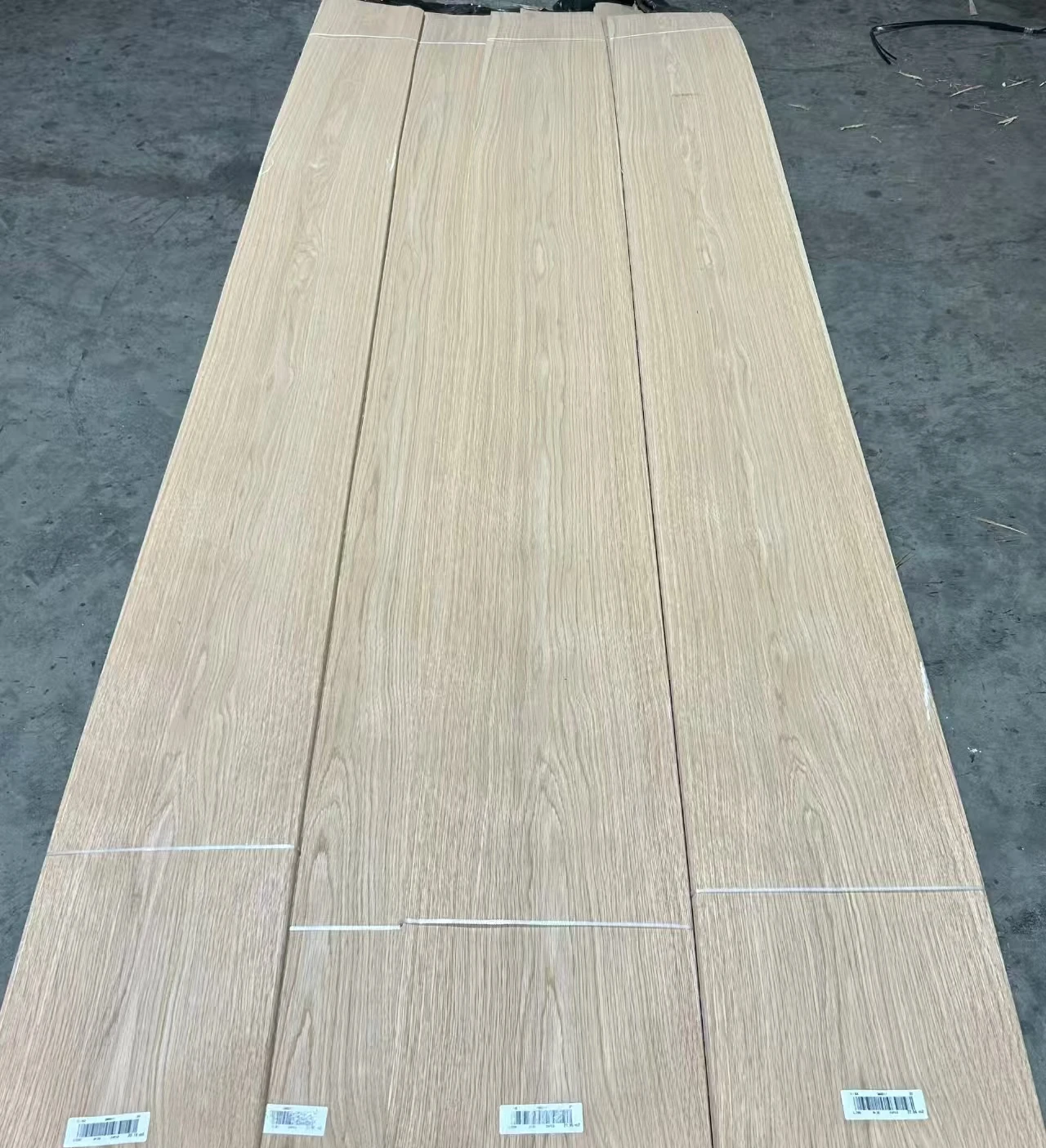
5. Choose for the finish, substrate and total cost
An open-pore appearance depends on wood anatomy, sanding and the finishing system; a universal minimum of 0.4 mm is not appropriate. Plywood, MDF, particleboard and solid-wood substrates likewise cannot be assigned a minimum veneer thickness by name alone. Flatness, density, joints, adhesive and balanced faces all matter. Thin veneer may be more vulnerable to sand-through, substrate telegraphing or handling damage, but being below 0.2 mm does not make cracking inevitable. Include backing, bonding, waste and rework in cost comparisons.
6. Distinguish nominal, measured and finished thickness
Specify the wood face thickness, tolerance, measurement condition and sampling method. Pressing and sanding can reduce the usable final face thickness. For backed products, list face thickness and overall thickness separately. In some Chinese trade conversations, “si” means 0.01 mm: 1 mm equals 100 si, 0.4 mm equals 40 si and 0.6 mm equals 60 si. Use millimetres in formal specifications and confirm any informal unit with the supplier.
Specify these details before ordering
- Species, grain direction, end use and appearance sample
- Nominal wood face thickness, tolerance and sampling method
- Raw or backed veneer; backing, glue layers and total thickness
- Substrate type and surface condition, adhesive and pressing requirements
- Minimum remaining face after sanding, finish and balancing construction
- Bending radius, sample results, acceptance criteria, packing and storage
Frequently asked questions
Is thicker veneer always better?
No. Select for the application and processing method. Thickness also changes flexibility, cost and pressing requirements.
Does a 0.6 mm backed product contain a 0.6 mm wood face?
Not necessarily. A quotation may state overall thickness. Confirm wood face and total composite thickness separately.
Can photographs establish veneer thickness?
No. These photographs show general veneer appearance only; they do not identify a specific species, thickness, grade or product for sale.
User-supplied photographs are appearance references unrelated to a specific product for sale. They do not establish thickness, species, grade or stock. Follow the supplier’s processing guidance and validate the project with samples.
References
References checked 19 October 2026. Supplier examples are illustrative; agree the actual technical specification separately.
Related reading
Discuss Your Veneer Thickness Requirements
Share the application, substrate, target thickness, finish and bending requirements to discuss material selection and sampling.
Contact Kunsun Veneer