
Furniture panel thickness guide for cabinets, shelves, doors and worktops
Compare 16, 18 or 19 mm for cabinet sides, tops and bottoms, and consider 3–6 mm thin board for light-duty backs. Check shelf span and sustained load, the material left after routing a door, and the support and cut-outs in a worktop. Specify the core material, connections and operating conditions alongside thickness.
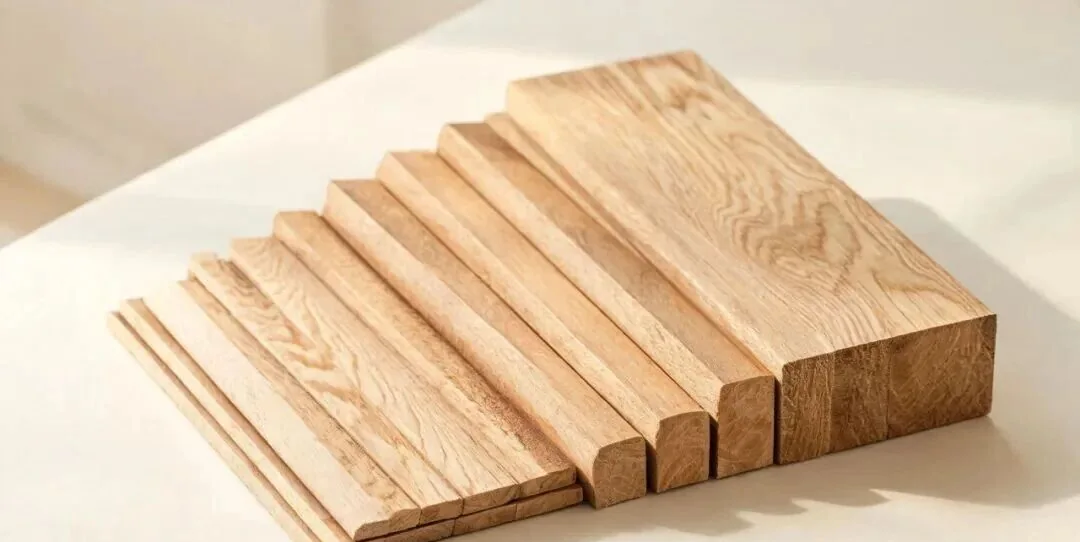
Furniture panel thickness at a glance
These are starting points for design and quotation. Thicknesses vary by material, product range and market. Use product data and the assembly design to verify load capacity. Ask whether a quoted thickness describes the nominal core or the finished panel.
| Component | Thickness to compare | Check before specifying |
|---|---|---|
| Cabinet back or drawer bottom | 3–6 mm thin MDF, or 6.5 / 9 mm plywood for suitable drawers | Back fixing, groove support and drawer load |
| Cabinet sides, top and bottom | 16 / 18 / 19 mm | Core, fasteners, hole locations and internal clearance |
| Wood-based worktop or desktop | 25 / 38 mm are laminate worktop examples | Supports, overhang, openings and sealing |
| Load-transferring cabinet divider | Start with the case thickness and compare 25 mm or revised supports where needed | Load path to the base, joints and anti-tip fixing |
| Short-span light-duty shelf | 12 / 15 mm plywood as candidates | Clear span, depth, sustained load and supports |
| Door or routed front | Compare 18–22 mm blanks where the construction suits | Remaining thickness, cup depth, door weight and opening clearance |
| Edge banding | Example ABS products in 0.4 / 0.8 / 2 mm | Strip thickness, width, edges to cover and bond |
1. Cabinet backs and drawer bottoms
Thin MDF in the 3–6 mm range can suit light backs and supported, light-duty drawer bottoms. A back captured in grooves or fixed around the perimeter can help resist racking, depending on the joints. A drawer bottom carries the contents directly. For wide drawers or drawers holding crockery or tools, check the bottom, its edge support and the rating of the whole drawer system.
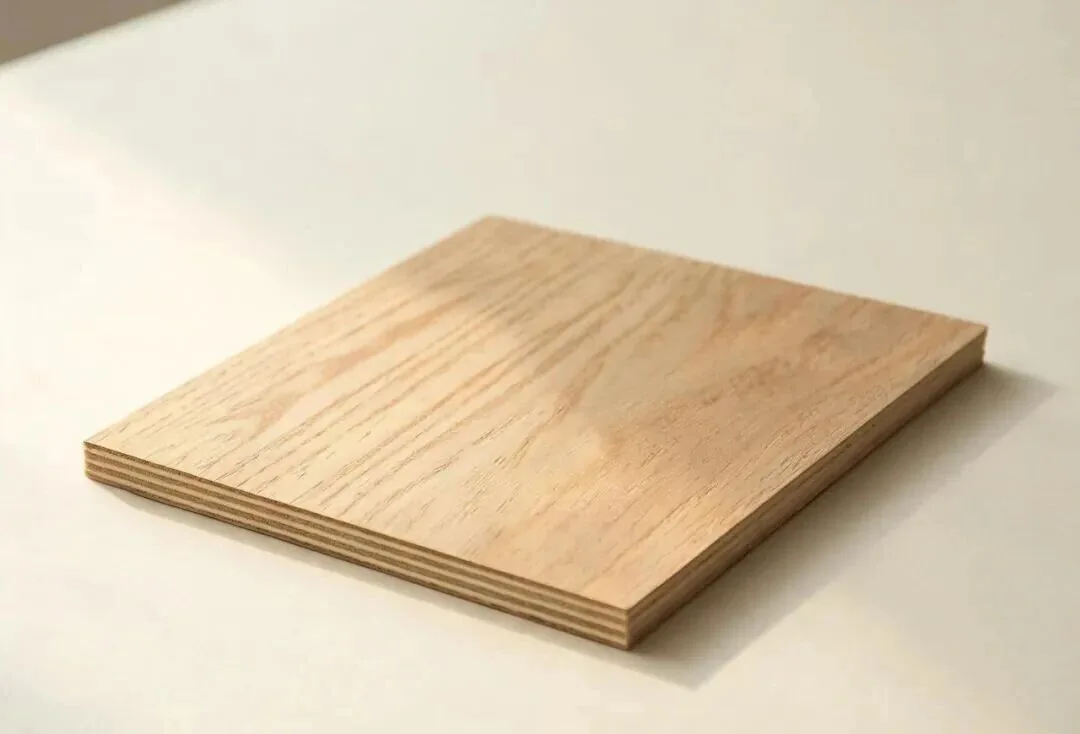
2. Cabinet sides, tops and bottoms
Compare 16, 18 and 19 mm for the cabinet box. Equal-thickness plywood, medium-density fibreboard (MDF) and particleboard differ in stiffness and fastening performance. When the thickness changes, check drilling positions, fastener penetration and installation clearances for doors and drawer fittings.
An 800 mm-wide cabinet with two 18 mm sides has 764 mm between the sides. With two 25 mm sides this falls to 750 mm, a loss of 14 mm. Deduct the separate clearances required by slides, baskets or drawers.
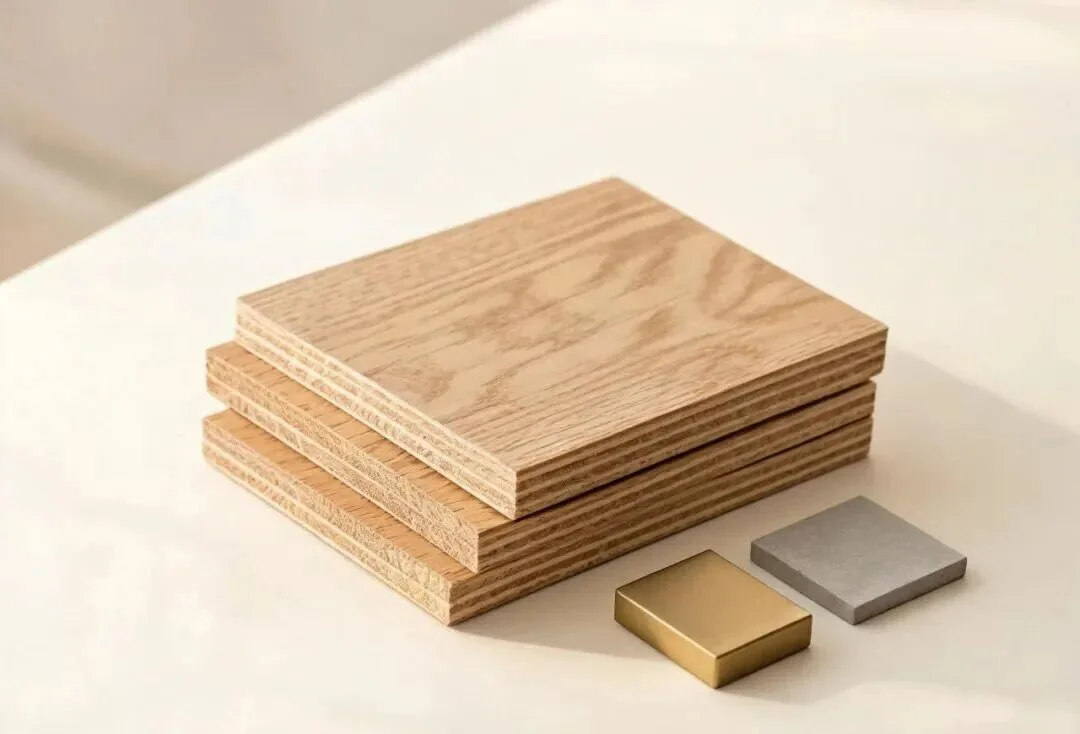
3. Wood-based worktops and desktops
Some finished laminate worktops come in 25 and 38 mm. Check the actual core, spacing between supports, any overhang and the support around sinks or cooktops. Follow the worktop manufacturer's sealing instructions for joints, cut-outs and holes. A built-up edge produces a thicker appearance. Assess the actual core and effective section when checking support and load.
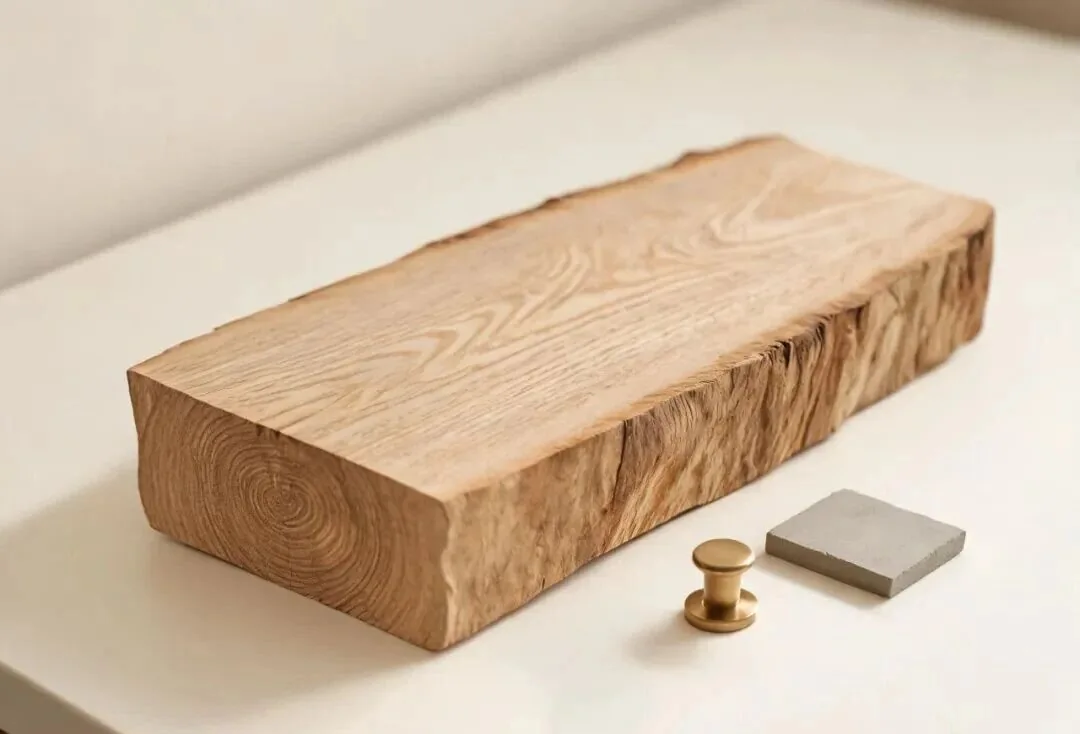
4. Dividers in tall and wide cabinets
An intermediate divider can shorten the shelf span and transfer part of the load to the base. Check its top and bottom joints, support underneath and the stiffness of the assembled case. Select extra thickness where the load or connection requires it. Specify anti-tip fixing for tall cabinets as required by the installation system and confirm that the wall or backing can receive the fixing.
5. Wardrobe, shoe and bookcase shelves
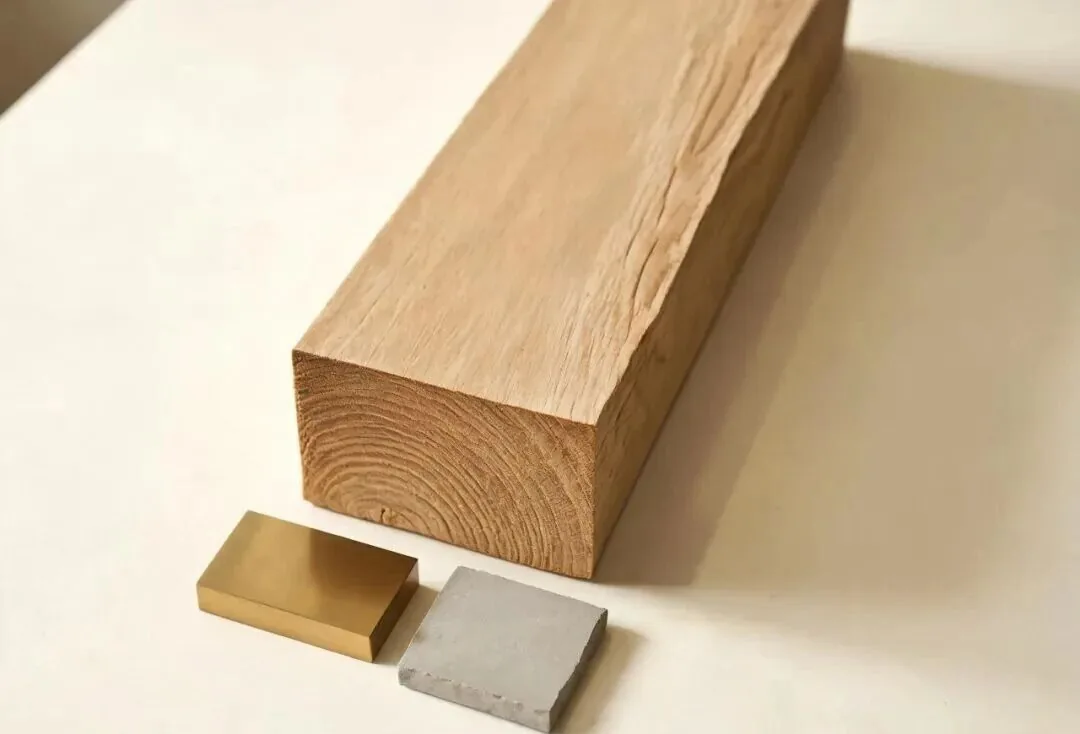
For light loads over a short span, 12 or 15 mm plywood can be evaluated. Even with 18 mm, books, files and other heavy contents call for a deflection check using the material stiffness, shelf depth, support positions and sustained load. Clear span is the distance between effective supports. To address sagging, consider adding a divider or support, or a securely connected stiffening edge. Recheck the assembly under the expected load.
6. Slab, routed and framed doors
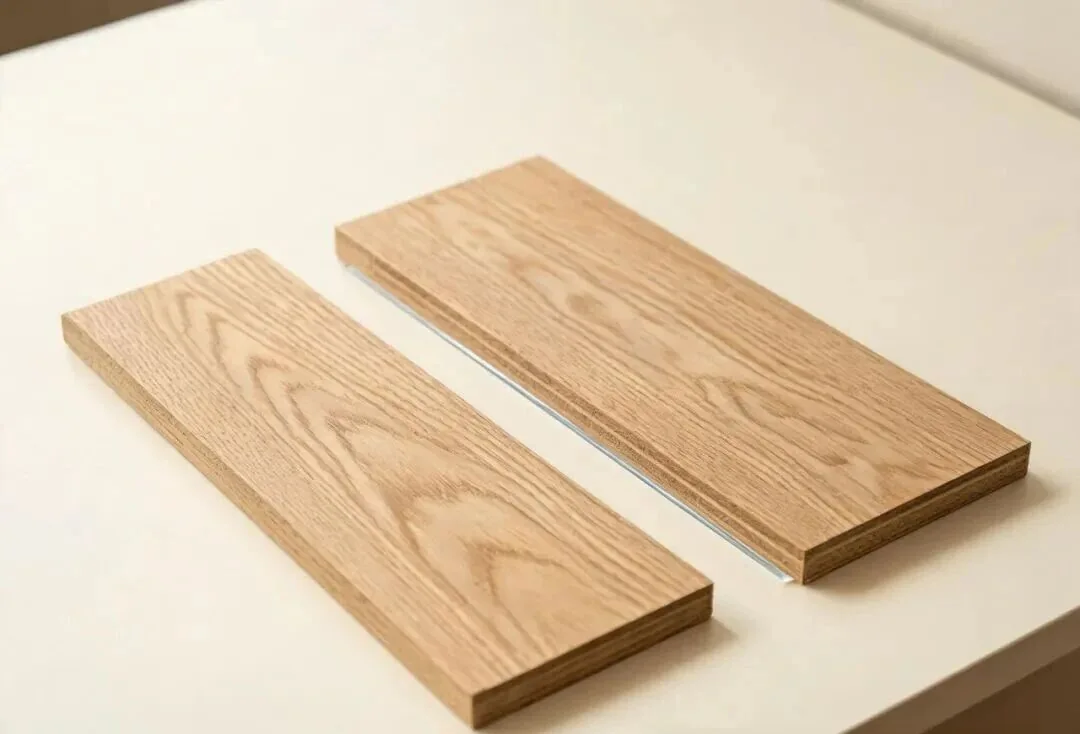
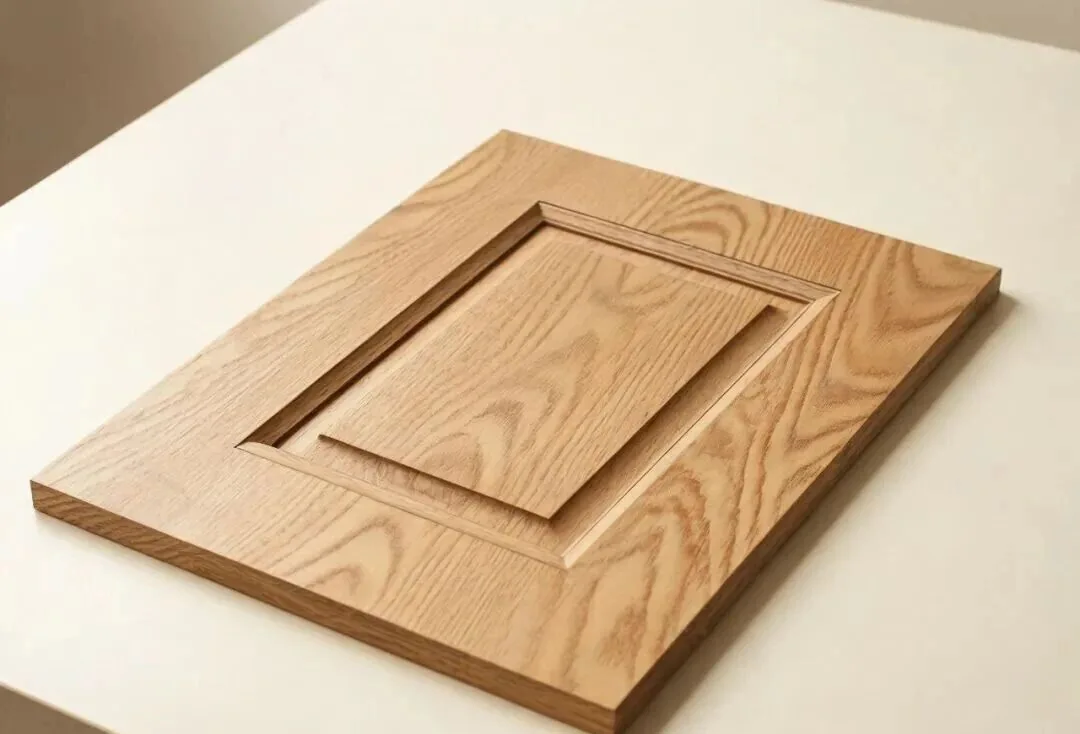
For routed fronts, check the thinnest section left after machining, clearance between the profile and the hardware, and hinge cup depth. An 18–22 mm blank can be a starting point for some wood-based doors. Specify frame and centre panel thicknesses separately, and check curved fronts against the forming process. Choose hinges using the finished door's height, width, weight and opening clearance.
7. Edge banding and moisture control
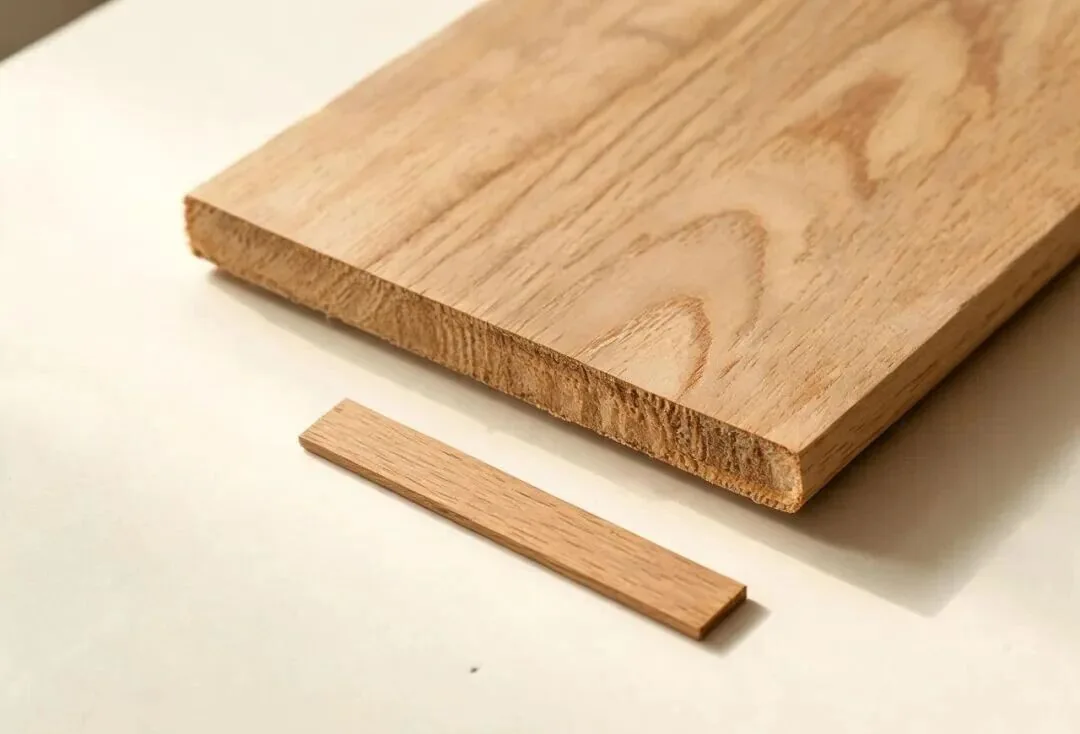
Edge banding protects exposed edges and provides a finished look and feel. Specify strip thickness and width separately, allowing enough width to cover the finished edge and trim it. Seal sink cut-outs, service holes and joints as the system requires, and clear standing water promptly.
What to put on the drawing and quotation
- Core type, nominal core thickness, face and back layers, finished thickness and tolerance for each component.
- Shelf clear span, depth, expected load, supports and allowable deflection.
- Finished door dimensions, minimum remaining thickness at the profile, door weight, hinge model and slide clearances.
- Worktop cut-outs, edges to band, banding dimensions, joint sealing and sample approval criteria.
Frequently asked questions
Is 18 mm enough for a fitted wardrobe?
It is a starting point for the sides, top and bottom. Check shelf span, contents and support independently. For tall units, also verify the back connections, base and anti-tip fixing.
Should I choose a 5 mm or 9 mm cabinet back?
First identify how the back will be fixed and whether it helps resist racking. Thin MDF can suit a light closure. A back relied on for stiffness needs a check of the core, grooves or fasteners, and the case design. Thickness alone cannot establish joint performance.
Does an 18 mm veneered panel have 18 mm of veneer?
The quoted 18 mm may refer to nominal core thickness or finished thickness. Specify the natural veneer, core and balancing layer separately. Use the agreed finished thickness and tolerance for cutting and hardware machining.
Related reading
Technical references
- European Panel Federation · Thin MDF
- WISA · Plywood sizes, thicknesses and weights
- EGGER · Furniture and interior design products and applications
- Architectural Woodwork Institute · Casework structure and shelf deflection
- EGGER · 25 and 38 mm worktop fitting guide
- EGGER · Worktop processing and sealing instructions
- Blum · Hinge planning and quantity
Editorial adaptation of the supplied draft by 四先生 (21 November 2026). Supplied images from the WeChat account 工装设计 窦文贤 illustrate shapes and edges. Thicknesses in the table are specification examples.