
Hardwax Oil vs Clear Varnish: A Professional Guide to Wood Finishes
Hardwax oil and clear varnish differ chiefly in the protective structure their formulations create and the maintenance they require—not in a simple natural-versus-harmful ranking. Hardwax oils commonly emphasize low build and wood feel; clear film finishes rely on a continuous coating. Assess the specific product, substrate and service conditions.
This guide concerns interior furniture and veneer surfaces. “Hardwax oil” means commercial hardwax-oil systems; “clear varnish” is used here as a purchasing category for clear film-forming wood coatings, not a single resin chemistry. Trends do not replace the product TDS, SDS, relevant emissions report or a representative trial. No coating certification is claimed for the linked KUNSUN materials.
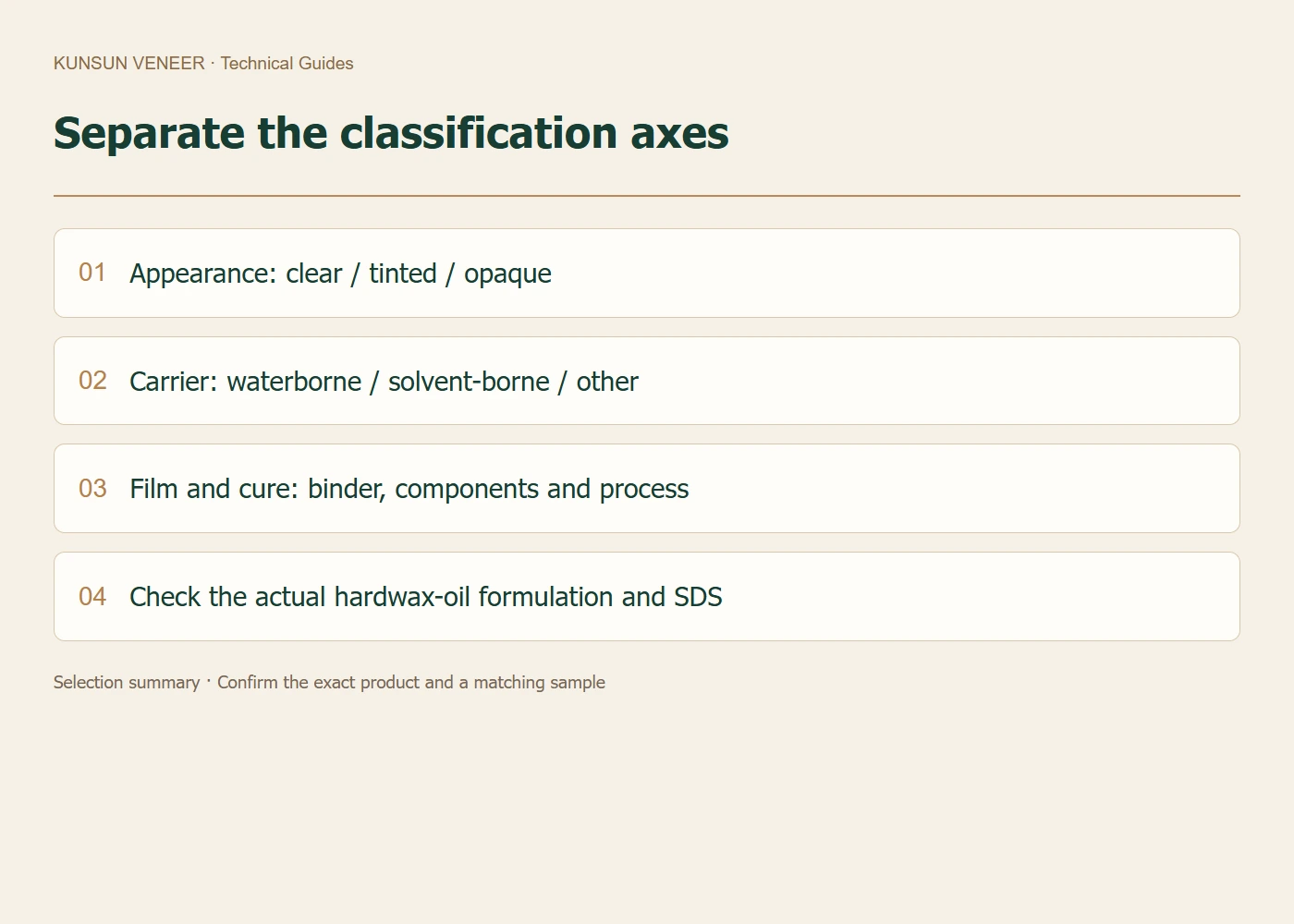
1. Separate the classification axes
Clear describes appearance and coating function; it does not mean solvent-borne. Clear systems may be waterborne or solvent-borne and use different resins and cure mechanisms. State sheen, binder, carrier and component system separately rather than treating clear, PU, NC and UV as mutually exclusive categories. [1][4][5]
Commercial hardwax oils combine oils and waxes with potentially other binders, driers, solvents or additives. Formulations vary. A natural-origin or hardwax-oil label does not establish zero VOC content, absence of sensitizers or suitability for food contact. [2][3]
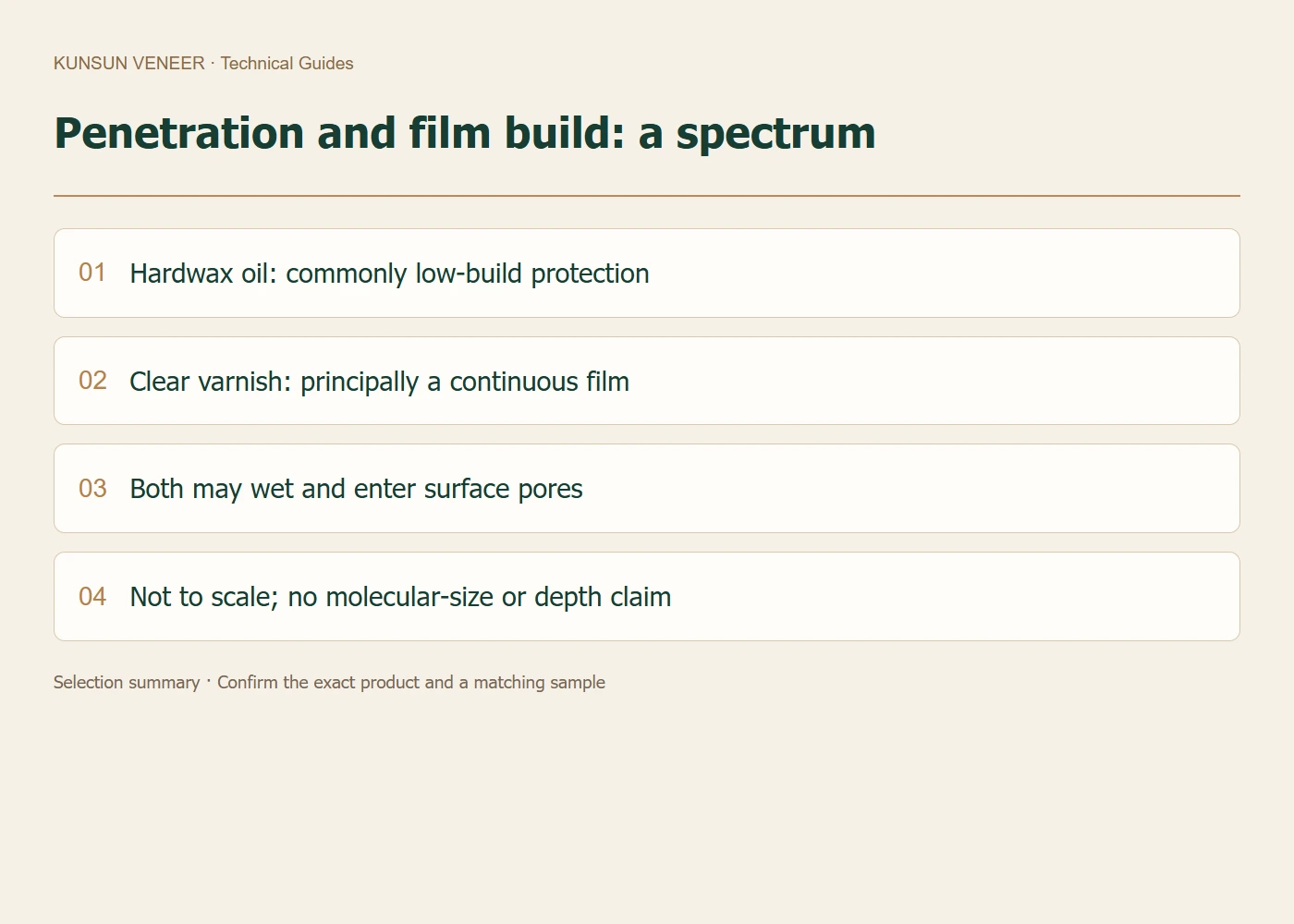
2. Penetration and film build are not absolute opposites
Oil components can wet and enter an absorbent wood surface, then cure into protection at and near that surface. Many hardwax oils seek a low-build appearance; it is inaccurate to say every formulation forms no surface layer. Wax does not turn low-density timber into harder wood. [1][2]
A clear film finish primarily creates a continuous transparent coating, but also wets the wood and may involve a penetrating primer. A coating can slow moisture transfer without permanently blocking it. Wood movement still matters; “breathing” is not a substitute for assessing moisture content and coating integrity. [1]
3. Appearance and touch require a physical sample
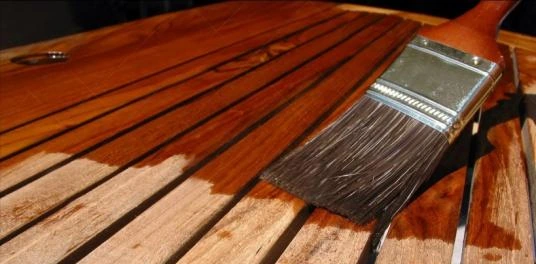
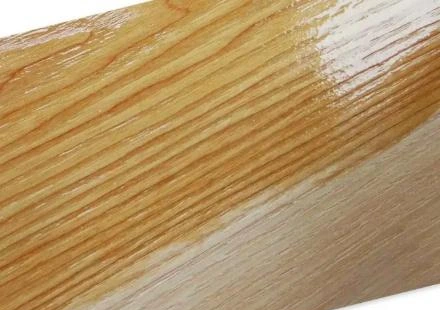
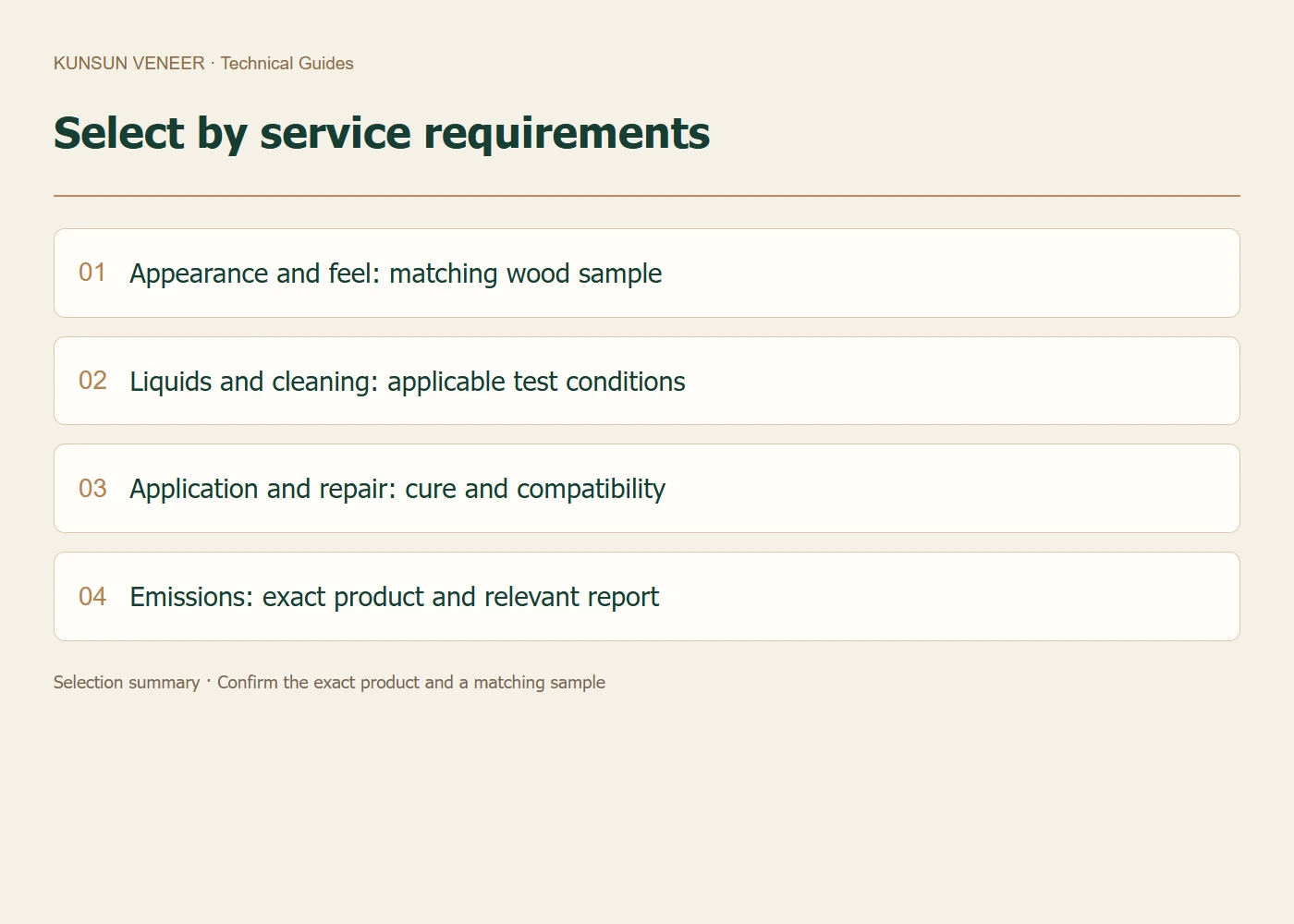
Thin hardwax-oil applications often retain pore relief and a close-to-wood feel. Clear coatings range from open-pore matt to more filled, high-gloss surfaces. A matt varnish can look natural; an oil can deepen colour or emphasize variation. The category name alone does not predict the result. [2][4]
Clear coatings generally do not hide knots, colour variation or nail holes as an opaque coating would. Flatness can also depend on filling, repairs, sanding and build. Check colour change and ambering on the actual wood, with the full process and intended lighting. A furniture photograph cannot identify its coating. [4][5]


4. Compare service performance, not universal winners
Some film-forming systems selected for demanding tabletops or frequent cleaning provide strong liquid and chemical resistance. Purpose-designed hardwax oils also offer protection for their stated uses. Neither observation establishes that all varnishes outperform all oils. Water repellency is not waterproofing. [2][3][4]
Abrasion, scratching, indentation, heat and chemical resistance are different properties. A coating cannot eliminate denting of the underlying wood. Manage hot objects, standing water and cleaners according to the system. An interior oil-and-wax product is not automatically suitable outdoors or a preservative or UV-protection treatment. [1][4]
5. Application and repair depend on the system
Use clean, suitably dry material. Follow the product requirements for sanding, spread rate, component ratio, recoat window and full cure. There is no universal rule requiring four to eight varnish coats. Dry-to-touch, ready-to-recoat and fully cured are different stages; excessive build or early use can cause problems. [2][3][5]
Some hardwax-oil systems permit localized maintenance, but repairs may still show colour or sheen differences. Clear-film repairs may involve cleaning and recoating or wider refinishing. Complete stripping is not always required: assess adhesion, damage and compatibility. Do not apply a new film finish over wax or uncured oil without confirmed compatibility. [2][4][5]
6. Specify evidence and a practical acceptance plan
Natural origin, low odour, low VOC content and low indoor emissions describe different things. Check the exact product, tint and hardener, SDS and applicable test conditions. Neither absence of smell nor strong odour alone establishes formaldehyde concentration or identifies a room’s pollution source. [6]
Specify the wood and veneer thickness, approved colour and sheen sample, touch, expected liquids and cleaning, edge treatment, cure conditions, acceptance method and maintenance plan. Oil-soaked cloths can self-heat during oxidation; handle and dispose of them according to the SDS and local fire guidance instead of leaving them crumpled in a pile. [7]
Hardwax oil and clear film finishes: selection comparison
| Criterion | Hardwax oil: common emphasis | Clear film finish: common emphasis | What to verify |
|---|---|---|---|
| Protection | Often low-build, near-surface protection | A continuous transparent coating | Formulation, spread rate and complete system |
| Appearance and feel | Often retains pore relief | Open matt through filled gloss are possible | A representative physical sample |
| Liquids and cleaning | Product-specific protection and maintenance | Some systems suit frequent exposure and cleaning | Liquid, contact time and cure conditions |
| Wear and damage | Wax is not proof of harder timber | Film hardness is not timber hardness | Abrasion, scratching and denting separately |
| Local repair | Some systems allow maintenance coats | Local repair or broader recoating may be needed | Adhesion and appearance blending |
| Colour stability | May enrich colour or emphasize variation | Ambering depends on formulation and exposure | The actual sample under intended light |
| Emissions evidence | Natural is not a test result | Waterborne or clear is not a test result | SDS, VOC content and relevant emissions report |
| Application | Specified thin application, removal and care | Specified primer, build and recoat sequence | Touch-dry, recoat-ready and full cure separately |
Veneer over MDF is not the same as bare MDF
The visible face of veneered MDF is real wood veneer, distinct from bare fibreboard or a printed decoration. Suitability depends on the coating’s permitted substrates, veneer absorption, glue-line compatibility, edge treatment and fabrication. A blanket claim that no panel can take hardwax oil is inaccurate. Thin veneer also needs careful sanding: nominal thickness is not a sanding allowance. Run the full coating and cure process on an offcut of the same construction. [3]
Buyer questions
Is hardwax oil always safer than waterborne varnish?
No category-wide ranking is justified. Check the exact formulation, SDS, application conditions and applicable emissions evidence; a product-specific certification does not cover an entire category.
Does clear varnish hide knots and colour variation?
Usually not. For concealment, specify filling, repair, colour work or an opaque coating separately.
Does oil fully penetrate while varnish never penetrates?
Both statements are too absolute. Compare continuous film build, near-surface protection and the actual applied system instead.
Can hardwax oil be used on veneer?
Some products allow it. Check the technical documentation and test absorption, glue lines, edges, colour and service performance on matching offcuts.
How many coats guarantee durability?
There is no universal number. Apply the specified quantity and preparation and allow the required cure, then assess the agreed service or test requirements.
Sources and scope
- USDA Forest Products Laboratory — Wood Handbook, Chapter 16: Finishing Wood
- Osmo — Polyx-Oil Original: product information
- Rubio Monocoat — Oil Plus 2C: technical documentation
- General Finishes — Clear topcoat comparison
- General Finishes — Water-based topcoat guidance
- US EPA — Technical overview of VOCs
- Northamptonshire Fire and Rescue Service — Oil-cloth combustion risks
Technical review: 2026-11-04. Rewritten from the reference supplied by the user, with overgeneralized claims corrected. Manufacturer documents illustrate differences between systems; they do not endorse a brand or certify KUNSUN materials.